Products offered on Boodvape are age-restricted and intended for use by adults of legal smoking age only. All orders on the website will be verified using industry-leading age verification software.
By entering our website, you confirm that you are of legal smoking age in your jurisdiction and agree to age verification.
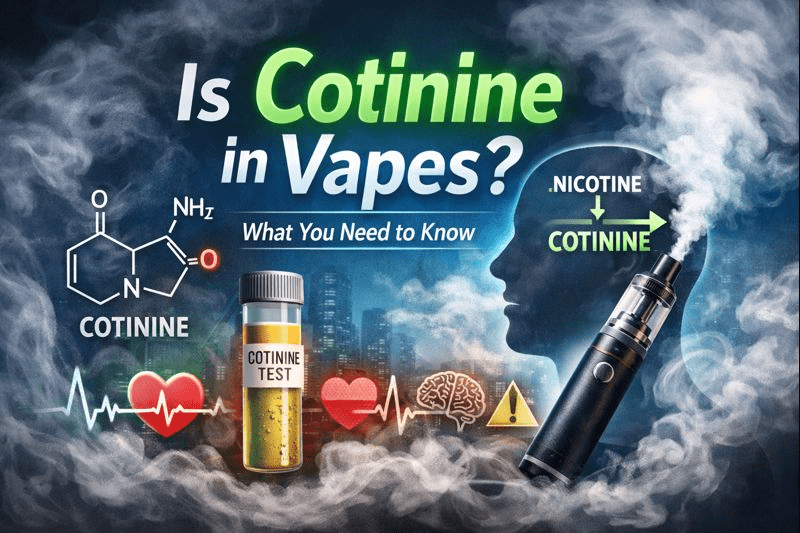
Is Cotinine in Vapes? The Shocking Truth You Need to Know (7 Facts)
Introduction: Is Cotinine in Vapes and Why Does It Matter?
Is cotinine in vapes is a question many vapers, parents, employers, and healthcare professionals are asking. As vaping becomes more common, people want to understand what substances are involved—not just nicotine, but what happens after nicotine enters the body.
Cotinine is not usually listed on vape product labels, yet it frequently appears in medical tests of people who vape. This can cause confusion and concern, especially for individuals subject to nicotine screening for jobs, insurance, or medical treatment.
In this article, we’ll clearly explain whether cotinine is in vapes, how it forms, why it’s tested, and what it means for your health. By the end, you’ll have a complete, science-based understanding of the topic—without jargon or fear-mongering.
What Is Cotinine? A Simple Explanation
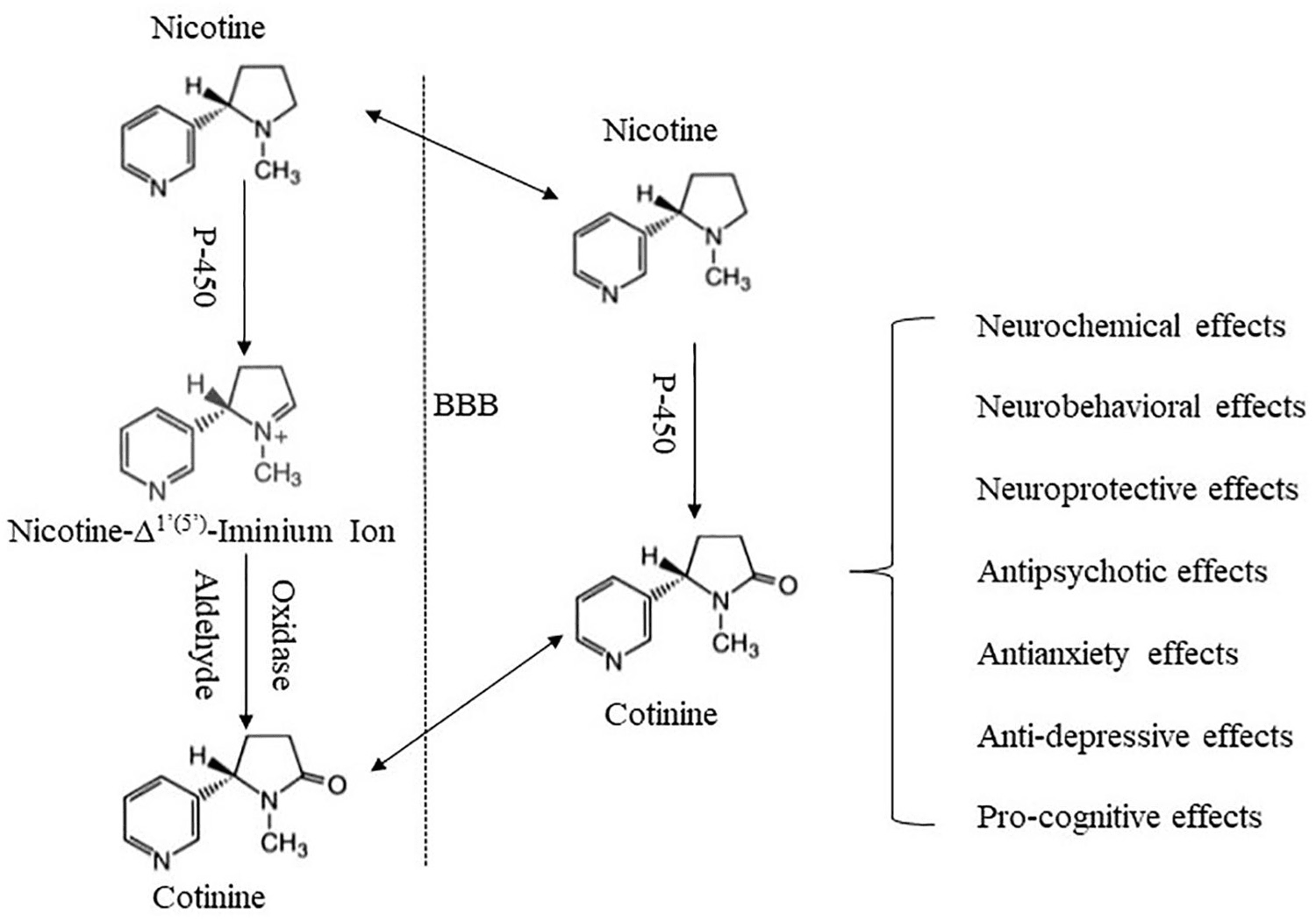
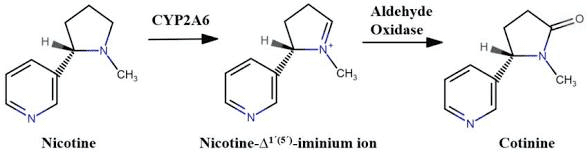
Cotinine is a chemical byproduct of nicotine metabolism. When nicotine enters the body—whether from cigarettes, vapes, nicotine gum, or patches—the liver breaks it down. One of the main substances produced during this process is cotinine.
Key Characteristics of Cotinine
It is not addictive
It stays in the body longer than nicotine
It is commonly used as a biomarker for nicotine exposure
Because cotinine remains detectable for days, scientists and doctors rely on it to measure how much nicotine a person has absorbed over time.
Is Cotinine in Vapes Themselves?
The Short Answer
No. Cotinine is not an ingredient in vapes or e-liquids.
The Important Clarification
While cotinine is not added to vape juice, it forms inside the body after vaping nicotine. This distinction is critical and often misunderstood.
How It Works
Vape liquid contains nicotine
Nicotine enters the bloodstream
The liver metabolizes nicotine
Cotinine is produced as a result
So when people ask is cotinine in vapes, the accurate answer is:
Cotinine is not in the vape—but it appears in the body after vaping nicotine.
Why Cotinine Is Used Instead of Nicotine in Tests
Cotinine is the preferred substance for nicotine testing for several scientific reasons.
Advantages of Cotinine Testing
Longer detection window (up to 7 days)
More stable than nicotine
More accurate indicator of regular use
Common Testing Situations
Employment drug screenings
Health insurance assessments
Smoking cessation programs
Medical diagnostics
This is why someone who vapes may test positive for cotinine even if they haven’t vaped in a day or two.
Does Vaping Produce the Same Cotinine Levels as Smoking?
Not always. Cotinine levels depend on several factors:
Factors That Affect Cotinine Levels
Nicotine strength in the vape
Frequency of vaping
Puff duration and depth
Individual metabolism
Type of device used
Vaping vs Smoking
Heavy vaping can produce similar cotinine levels to smoking
Light or occasional vaping usually results in lower levels
Nicotine-free vapes produce no cotinine at all
According to public health research, nicotine exposure—not smoke—is what determines cotinine levels.
Health Effects of Cotinine: Should You Be Worried?
Cotinine itself is considered far less harmful than nicotine.
What Science Says
Cotinine is non-addictive
It has minimal cardiovascular impact
It does not cause cancer on its own
However, cotinine indicates nicotine exposure, and nicotine still carries health risks, including:
Increased heart rate
Elevated blood pressure
Potential effects on brain development in teens
So while cotinine isn’t dangerous by itself, it signals nicotine use—which should still be approached cautiously.
Is Cotinine in Nicotine-Free Vapes?
No. If a vape is truly nicotine-free, cotinine will not appear in the body.
Important Warning
Some products labeled “nicotine-free” have been found to contain trace amounts of nicotine, which can lead to cotinine formation.
How to Protect Yourself
Buy from reputable brands
Check third-party lab results
Avoid counterfeit or unregulated products
How Long Does Cotinine Stay in the Body After Vaping?
Cotinine detection time varies depending on usage.
Average Detection Times
Blood: 1–3 days
Urine: 3–7 days
Saliva: 1–4 days
Hair: Up to 90 days
Hydration, metabolism, and overall health can influence how quickly cotinine leaves the body.
Frequently Asked Questions (FAQs)
1. Is cotinine in vapes or vape juice?
No, cotinine is not added to vapes. It forms in the body after nicotine is metabolized.
2. Can vaping cause a positive cotinine test?
Yes. Any nicotine-containing vape can result in a positive cotinine test.
3. Is cotinine harmful by itself?
Cotinine is generally considered low-risk and non-addictive.
4. How can I avoid cotinine in my system?
Avoid nicotine entirely, including nicotine-based vapes.
5. Do secondhand vape clouds cause cotinine exposure?
In rare cases, heavy exposure may cause trace levels, but it’s uncommon.
6. Is cotinine proof of smoking cigarettes?
No. Cotinine only shows nicotine exposure—not the source.
Conclusion: The Final Answer to “Is Cotinine in Vapes?”
To summarize clearly: is cotinine in vapes? 👉 No, cotinine is not in vapes themselves. 👉 Yes, cotinine appears in the body after vaping nicotine.
Understanding this difference helps users make informed decisions, avoid confusion during testing, and better understand how vaping affects the body. Knowledge—not assumptions—is the key to responsible use and public awareness.
For readers who want a deeper medical explanation of how cotinine is used to measure nicotine exposure, the following resource provides clear, science-based information: