Products offered on Boodvape are age-restricted and intended for use by adults of legal smoking age only. All orders on the website will be verified using industry-leading age verification software.
By entering our website, you confirm that you are of legal smoking age in your jurisdiction and agree to age verification.
How to Open a Disposable Vape: A Simple, Honest, and Practical Guide (7 Steps)
Introduction
If you’re searching for how to open a disposable vape, you’re not alone. Many users get curious when a device stops working, feels clogged, or seems to have juice left inside. Others want to understand how these devices are built or whether a quick fix is possible.
This guide explains the realistic, safe, and responsible facts about opening disposable vapes—what can be done, what shouldn’t be done, and why manufacturers design them the way they do. The goal isn’t to encourage unsafe behavior, but to educate you so you can make informed choices.
⚠️ Important note: Disposable vapes are designed for adult use only and are not intended to be opened, refilled, or repaired. Opening one can be risky and may damage the device or cause injury.
What Is a Disposable Vape? (How It’s Built)
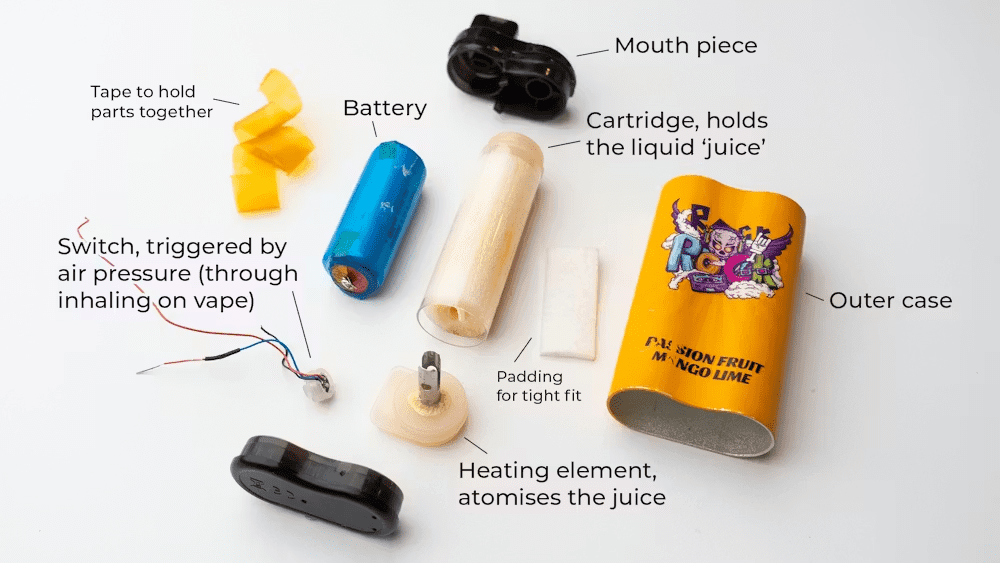
Disposable vapes are sealed, single-use electronic devices. Each unit typically includes:
A mouthpiece (plastic or rubberized)
A sealed e-liquid chamber
A cotton-wrapped heating coil
A small lithium-ion battery
A pressure or draw-activated sensor
Manufacturers seal these parts together to:
Prevent leaks
Reduce misuse
Ensure consistent performance
Lower fire and battery risks
Because of this sealed design, opening one is not user-friendly and often causes permanent damage.
Why People Try to Open Disposable Vapes
Understanding motivation helps clarify whether opening one makes sense at all.
Common Reasons
The vape stopped hitting but still lights up
Flavor tastes burnt or muted
Curiosity about internal parts
Belief that e-liquid remains inside
Device feels clogged
Hard Truth
Most of these issues cannot be safely fixed once the device is sealed. In many cases, replacing the vape is safer and cheaper.
Is It Safe or Legal to Open a Disposable Vape?
Safety Concerns
Opening a disposable vape exposes you to:
🔋 Lithium battery puncture (fire or explosion risk)
💧 Nicotine exposure through skin contact
🔥 Short circuits from exposed wiring
🧪 Unknown e-liquid contamination
Legal & Warranty Issues
Opening voids any warranty
Some regions restrict tampering with nicotine devices
Improper disposal violates e-waste rules
For general battery and electronic safety guidance, you can also refer to educational resources from Battery University, a widely respected platform explaining lithium battery risks and handling.
Tools People Commonly Use (Not Recommended)
While not advised, people typically attempt opening with:
Small flathead screwdriver
Pliers
Tweezers
Utility knife
⚠️ Even with tools, damage is almost guaranteed.
Step-by-Step: How Disposable Vapes Are Typically Opened (For Educational Purposes Only)
🚫 This section is informational, not instructional. Proceeding is at your own risk.
Step 1: Remove the Mouthpiece
Most disposable vapes have a snap-on or press-fit mouthpiece. Users pry it upward carefully.
Step 2: Identify Internal Seals
Under the mouthpiece, you’ll usually see:
A silicone stopper
Airflow chimney
Cotton-packed coil chamber
These parts tear easily.
Step 3: Separate the Outer Casing
The casing is often glued or pressure-sealed. Pulling it apart may crack plastic or bend metal.
Step 4: Expose the Battery
This is the most dangerous stage. Batteries are not insulated once exposed.
Step 5: Access the E-Liquid Chamber
At this point, leakage is common. Nicotine absorption through skin can occur.
📌 Most devices become unusable before reaching this stage.
Can You Refill a Disposable Vape?
Short answer: No—at least not safely or reliably.
Why Refilling Doesn’t Work Well
Coil is already degraded
Cotton becomes oversaturated
Airflow gets blocked
Battery may fail mid-use
Even if refilled, performance is usually poor and short-lived.
Common Myths About Opening Disposable Vapes
Myth
Reality
“There’s always juice left”
Often the coil is burnt, not empty
“It’s easy to refill”
Most leak or fail
“Battery can be reused”
Unsafe without proper casing
“All disposables open the same”
Designs vary widely
Safer Alternatives to Opening a Disposable Vape
Instead of trying to open one, consider:
1. Switch to a Refillable Pod System
Designed for maintenance
Safer battery housing
Long-term cost savings
2. Proper Recycling
Many vape shops and electronics centers accept used devices.
3. Troubleshooting Without Opening
Gentle taps to clear airflow
Warm the device in your hands
Ensure airflow holes aren’t blocked
Environmental Impact of Disposable Vapes
Disposable vapes contribute to:
Lithium battery waste
Plastic pollution
E-liquid chemical runoff
Recycling or switching to refillable devices significantly reduces harm.
FAQs About How to Open a Disposable Vape
1. Can opening a disposable vape make it work again?
Rarely. Most failures are coil or battery related and irreversible.
2. Is it dangerous to touch vape e-liquid?
Yes. Nicotine can absorb through skin and cause nausea or dizziness.
3. Can I recharge the battery if I open it?
No. Improper charging can cause overheating or fire.
4. Why do disposable vapes stop hitting early?
Battery depletion, burnt coil, or airflow blockage are common causes.
5. Are some disposable vapes designed to be opened?
No. Disposable means single-use by design.
6. Is opening a disposable vape illegal?
Laws vary, but tampering can violate safety or disposal regulations.
Conclusion
Understanding how to open a disposable vape helps clarify an important truth: these devices are not meant to be opened, repaired, or refilled. While curiosity is natural, the risks—battery hazards, nicotine exposure, and device failure—far outweigh any benefit.
If you want control, longevity, and safety, the better path is choosing a refillable vape system or responsibly recycling disposable devices when they stop working.
Knowledge leads to safer choices—and that’s always a win.